
Expert Prolapse Surgery in Houston, TX
SURGERY REPAIR FOR PELVIC ORGAN PROLAPSE

YOUR SOLUTION FOR FALLEN BLADDER AND FALLEN RECTUM
It happens to almost 1 in 3 women.
Due to age, genetics, childbirth, or hormonal changes, the pelvic walls and support structures can stretch. This allows the bladder and rectum to travel downward, toward the vaginal opening.
It’s called “prolapse,” and it can cause problems with bladder, rectal and even vaginal functionality. Dr. Christi provides effective surgical options to repair prolapse.
Dr. Christi Explains Bladder Prolapse Treatment
This treatment is great for bladder prolapse and rectal prolapse. Discover in this video from LifeSculpt By ChristiMD™️ in Houston, TX, what Prolapse Surgery can do for you, and whether you’re a candidate. Schedule a prolapse consultation with us in our Houston office.
How Prolapse Surgery Works
First, contact LifeSculpt™ by ChristiMD️ for an initial consultation.
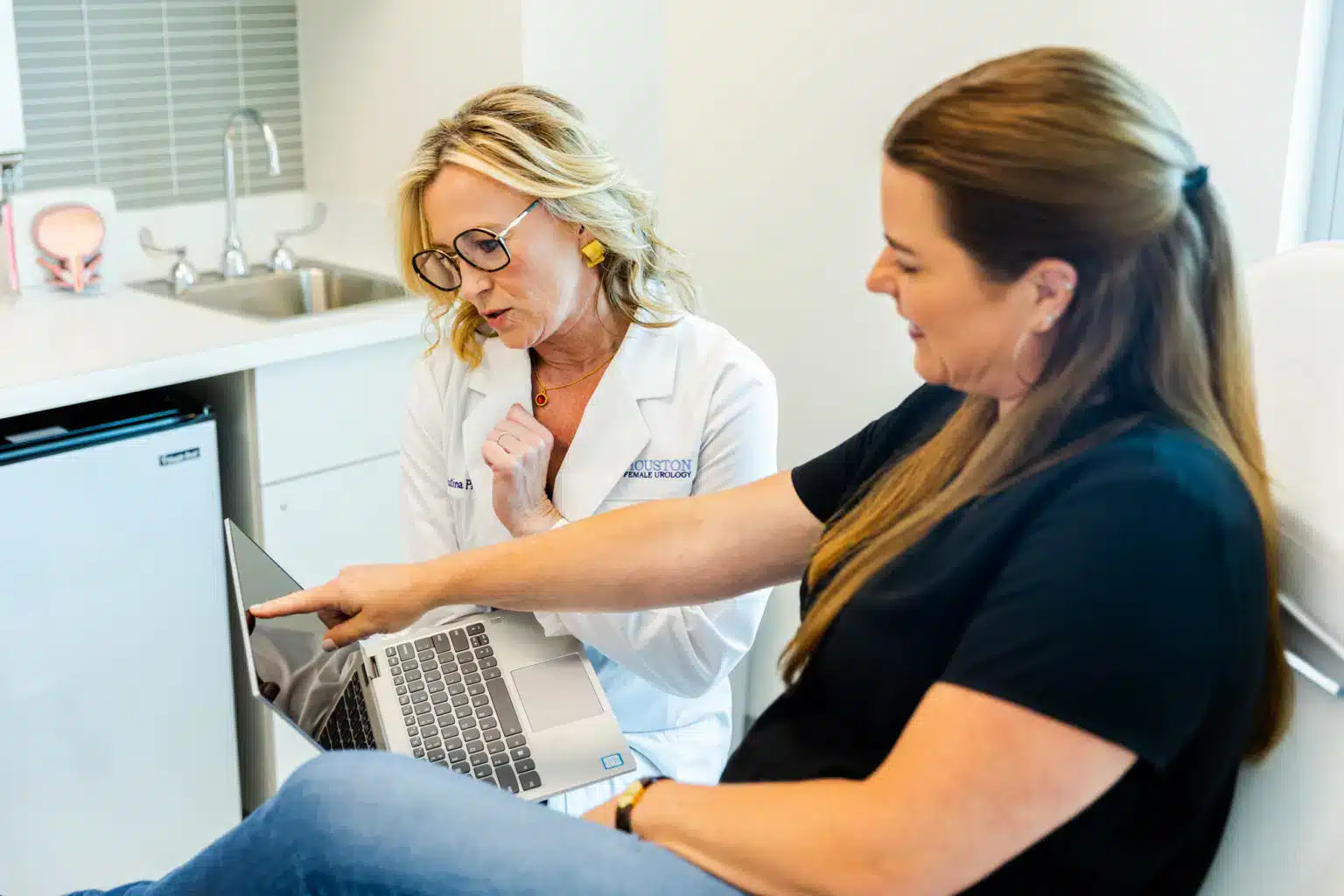
We’ll talk with you openly and honestly, asking and answering any and all questions. Dr. Christi will then examine the area of concern, and if prolapse surgical repair in Houston, TX, is your best treatment option, we’ll schedule your procedure.
The surgery for prolapse repair will be 1 of 3 options:
Robotic Abdominal Sacrocolpopexy (ASC). For moderate to severe prolapse. The technique uses the Da Vinci Robot to lift the entire vagina, using small laparoscopic instruments.
Transvaginal Graft prolapse repair. For moderate to severe prolapse. This surgery is done through the vagina with no abdominal incisions, and has a quick recovery.
Vaginal Native Tissue prolapse repair. For mild to moderate prolapse. The vaginal walls are trimmed and tightened, using absorbable sutures with no grafts.
Along with her expert staff, you’ll receive follow-up calls and examinations to ensure optimum results.
Call Today to Book an Appointment
281.717.4003
Prolapse Surgery FAQ
Get all your questions answered about prolapse surgery and advanced urology care in Houston at LifeSculpt by ChristiMD™️.
Benefits of Prolapse Surgery
Causes and Risk Factors of Organ Prolapse
Causes:
Organ prolapse occurs when the muscles and connective tissues supporting the pelvic organs weaken, causing the bladder, uterus, rectum, or other organs to shift downward. Common causes include:
- Pregnancy and Vaginal Childbirth: Repeated or difficult deliveries can stretch and weaken pelvic floor muscles.
- Aging and Menopause: Declining estrogen levels reduce tissue elasticity and strength.
- Chronic Pressure on the Pelvic Floor: Conditions such as chronic constipation, persistent coughing, or obesity can strain pelvic support structures.
- Hysterectomy or Pelvic Surgery: Surgical removal of the uterus or other pelvic procedures can compromise structural support.
- Genetic Factors: A family history of pelvic organ prolapse may increase susceptibility.
Risk Factors:
Certain factors increase the likelihood of developing organ prolapse, including:
- Multiple or Large Births: The more vaginal deliveries a person has, the higher the risk.
- Obesity: Excess weight adds pressure to the pelvic organs.
- Chronic Straining: Frequent heavy lifting, severe constipation, or chronic coughing (from smoking or respiratory issues) can contribute.
- Hormonal Changes: Estrogen loss after menopause can weaken pelvic tissues.
- Connective Tissue Disorders: Conditions such as Ehlers-Danlos syndrome may lead to weaker support structures.